
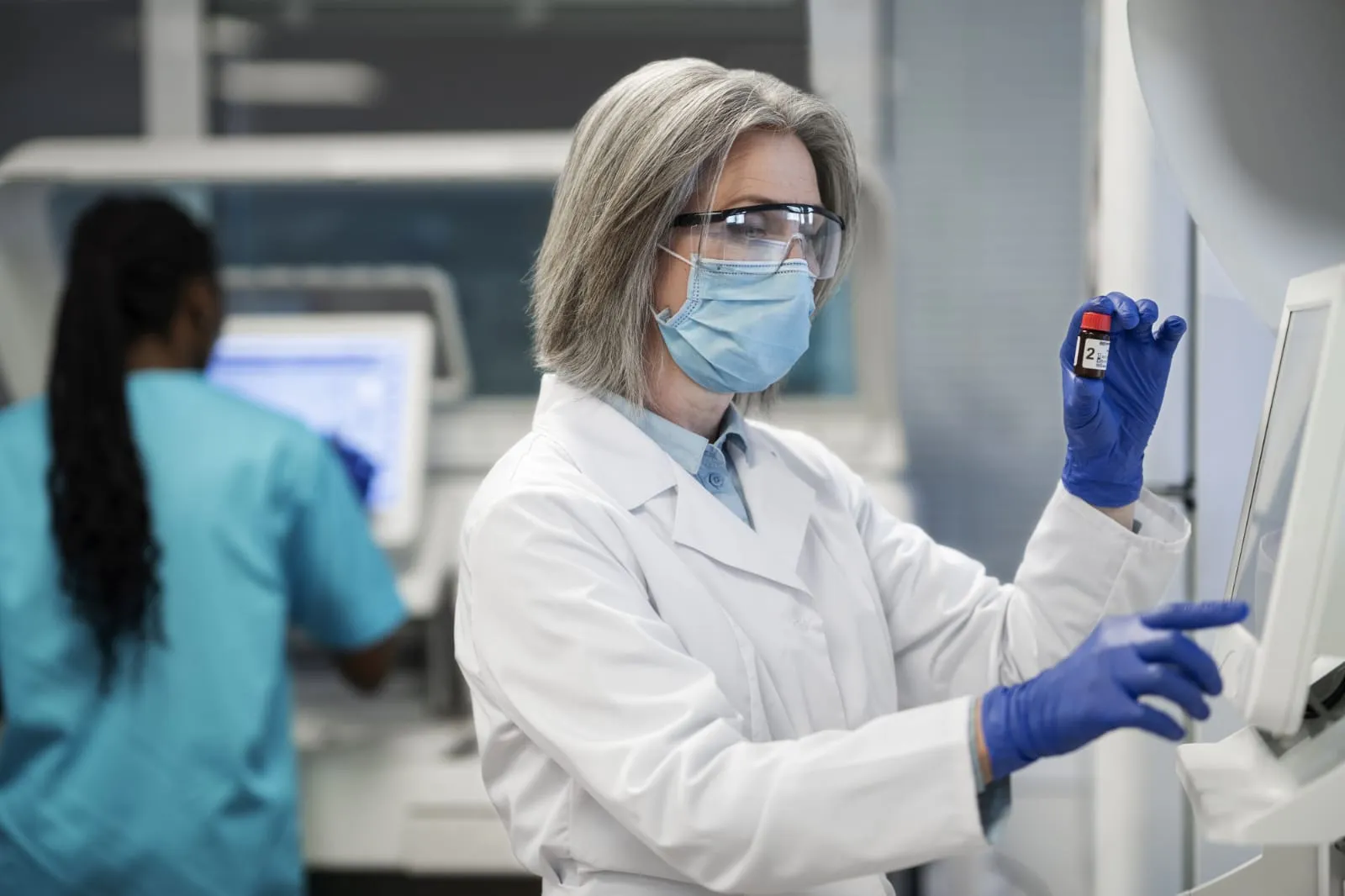
The Ultimate Top 10 Lab Skills for Medical Technologists
Introduction
In today’s rapidly advancing healthcare landscape, medical technologists play a crucial role in diagnosing and monitoring patient health. Their expertise directly impacts the accuracy of test results, the speed of diagnosis, and ultimately, patient outcomes.
However, excelling in this profession requires more than just academic knowledge. It demands a mastery of practical laboratory skills, precision, and a commitment to maintaining the highest standards of safety and accuracy.
In this post, we’ll explore the top 10 essential lab skills for medical technologists should master—from sample handling to advanced data analysis—so you can enhance your professional capabilities and ensure your laboratory operates at peak efficiency. Whether you’re a student, a recent graduate, or an experienced technologist looking to sharpen your skills, this guide is your go-to resource.
1. Accurate Sample Collection and Handling
Why It Matters
Accurate sample handling prevents contamination, preserves specimen integrity, and ensures valid results for medical technologists.
Best Practices
· Use proper collection containers.
· Label specimens immediately.
· Follow temperature and storage guidelines.
2. Mastery of Laboratory Equipment
Key Instruments to Know
Microscopes, centrifuges, spectrophotometers, and automated analyzers are essential tools for medical technologists in modern laboratories.
Maintenance Skills
· Regular calibration.
· Routine cleaning.
· Troubleshooting to maintain accuracy.
3. Understanding Laboratory Safety Protocols
Personal Protective Equipment (PPE)
Gloves, lab coats, goggles, and masks protect medical technologists from biological and chemical hazards.
Safety Guidelines
· Proper waste disposal.
· Safe handling of biohazards.
· Chemical safety awareness.
4. Proficiency in Microscopy Techniques
Common Applications
Blood smears, tissue samples, and microbial analysis are common tasks for medical technologists.
Tips for Precision
· Adjust focus correctly.
· Use proper staining techniques.
· Apply immersion oil effectively when needed.
5. Quality Control and Assurance
Why QC is Crucial
Ensures that test results meet accuracy and reliability standards, which medical technologists must maintain consistently.
Implementation Steps
· Maintain document control.
· Perform daily equipment checks.
· Participate in external quality assessments.
6. Data Analysis and Interpretation
Essential Analytical Skills
Understand the difference between normal and abnormal results.
Tools and Software
Use Laboratory Information Systems (LIS) and statistical software to interpret and manage data effectively.
7. Effective Communication Skills
Internal Communication
Collaborate efficiently with doctors, nurses, and fellow lab staff.
External Reporting
Deliver clear, concise, and accurate reports to healthcare providers.
8. Time Management and Workflow Optimization
Why Time Matters in Labs
Delayed results can impact patient care and treatment decisions.
Tips to Improve Workflow
· Prioritize urgent tests.
· Batch similar procedures.
· Keep your workspace organized.
9. Continuous Learning and Adaptability
Staying Current
Stay updated with new technologies, protocols, and emerging diseases.
10. Ethical and Professional Conduct
Upholding Professional Integrity
· Maintain patient confidentiality.
· Avoid falsifying results.
· Earn and keep patient trust.
Industry Standards
Comply with national and international laboratory regulations.
Conclusion / Final Thoughts
Mastering these top 10 essential lab skills for medical technologists is the foundation for success in any medical laboratory career. Whether it’s ensuring precise sample handling, maintaining safety, or interpreting complex data, each skill strengthens your role as a trusted healthcare professional.
Now it’s your turn: start practicing these skills today and set yourself apart as a reliable, competent, and respected medical technologist. At MFZ Clinical Lab, we are committed to empowering healthcare professionals with the knowledge and resources they need to excel in their careers. Explore our comprehensive lab test guides and resources to enhance your expertise and stay ahead in the field.
FAQ
Q1: What is the most important skill for a medical technologist?
Accurate sample handling is crucial, as it directly impacts the validity of test results.
Q2: How can I improve my lab skills?
Practice regularly, seek mentorship, attend training sessions, and stay updated with industry advancements.
Q3: Why is quality control important in medical labs?
It ensures that results are accurate, consistent, and meet recognized standards.
Q4: Do medical technologists need to know data analysis?
Yes, interpreting results accurately is key to providing valuable information to healthcare providers.
Author Bio:
Written by Fatima Ahsan – a healthcare writer specializing in lab sciences and diagnostics, simplifying complex topics for professionals and students. Also a WordPress developer and SEO specialist, blending medical expertise with tech skills.

3 thoughts on “The Ultimate Top 10 Lab Skills for Medical Technologists”
Boost your earnings effortlessly—become our affiliate!
Pingback: What is Clinical Lab Science? A Complete Beginner's Guide
Pingback: How to Become a Medical Laboratory Scientist: Career Guide