
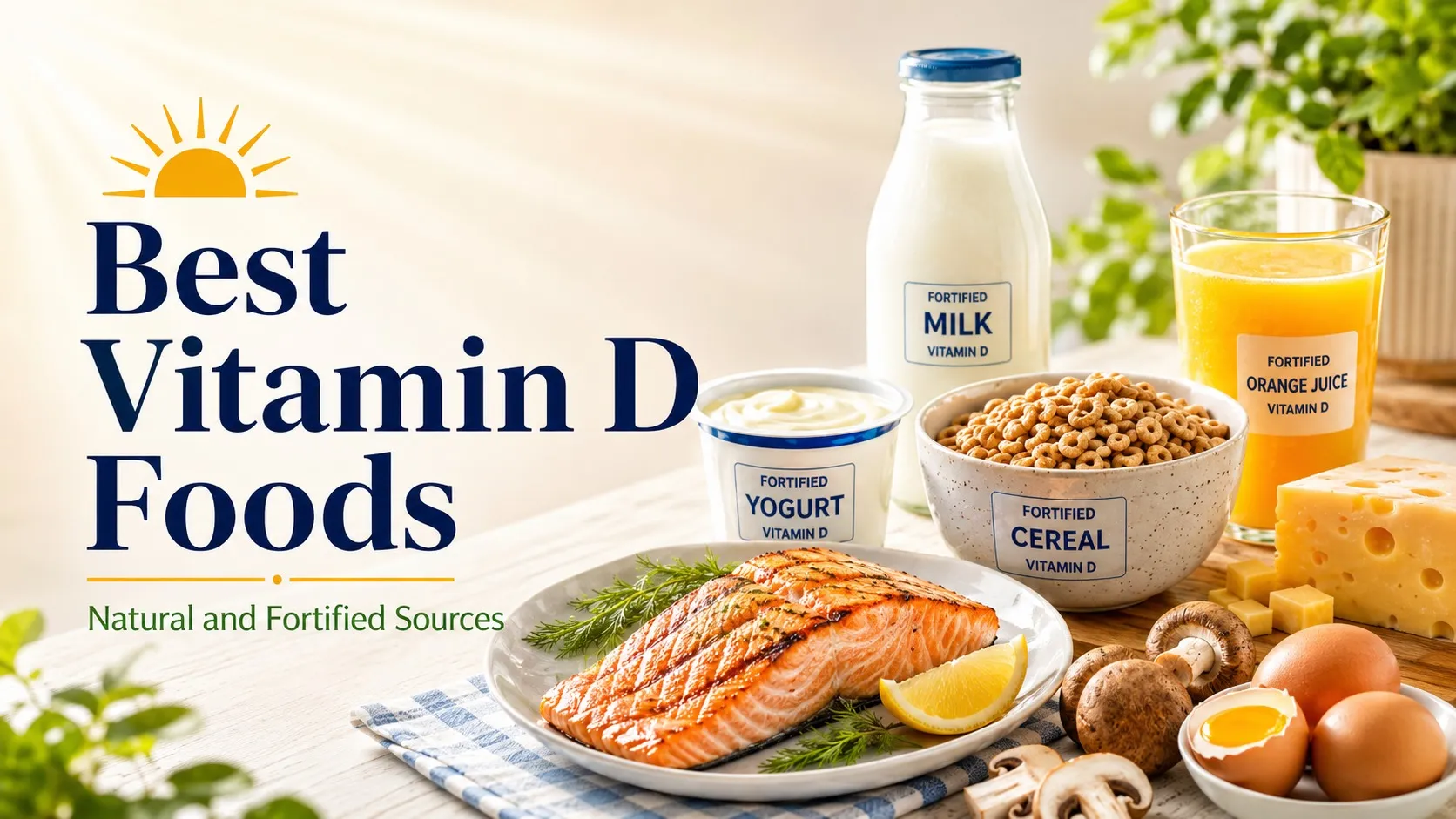
Best Vitamin D Foods: Natural and Fortified Sources
Vitamin D is one of the most important nutrients for overall health, yet many people do not get enough of it. Your body needs vitamin D to absorb calcium properly, which helps keep bones and teeth strong. It also supports the immune system, muscle function, and overall well-being.
Low vitamin D levels can sometimes lead to tiredness, weak muscles, bone discomfort, and low mood. Since only a small number of foods naturally contain vitamin D, it is important to know which vitamin d foods can help increase your intake naturally.
In this guide, you will learn about the best vitamin D foods, including natural sources, fortified foods, vegan-friendly options, and helpful tips for maintaining healthy vitamin D levels safely.
Why Vitamin D Is Important
Vitamin D plays several important roles in the body. One of its main functions is helping the body absorb calcium, which supports healthy bones and teeth. Without enough vitamin D, bones may become weak over time.
Vitamin D also helps support:
- Immune system function
- Muscle strength
- Bone density
- Healthy mood and energy levels
Some people may have a higher risk of low vitamin D levels, especially those who spend little time outdoors, cover most of their skin, or follow restrictive diets.
If you’re experiencing symptoms, 👉 learn the warning signs of vitamin D deficiency you shouldn’t ignore: https://mfzclinicallab.com/14-warning-signs-of-vitamin-d-deficiency/
Natural Sources of Vitamin D
Although natural food sources of vitamin D are limited, several vitamin D foods can help improve your intake as part of a balanced diet.
Fatty Fish
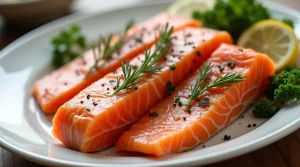
Fatty fish are among the best natural sources of vitamin D. They also provide protein and healthy omega-3 fatty acids that support heart health.
Good options include:
- Salmon
- Mackerel
- Sardines
- Tuna
- Trout
- Herring
These fish can easily be added to weekly meals in simple ways:
- Grilled salmon with vegetables
- Sardines on whole grain toast
- Tuna salad with olive oil and lemon
- Mackerel with roasted potatoes or rice
- Trout served with salad and brown rice
Eating fatty fish a few times per week may help maintain healthier vitamin D levels naturally.
Egg Yolks

Egg yolks contain small amounts of vitamin D and are easy to include in everyday meals. They also provide protein and healthy fats.
Eggs can be prepared in many ways, such as:
- Boiled eggs
- Omelets
- Scrambled eggs
- Egg salad
- Vegetable frittatas
Pairing eggs with other vitamin D-rich foods, such as UV-exposed mushrooms, can make meals even more nutritious.
UV-Exposed Mushrooms
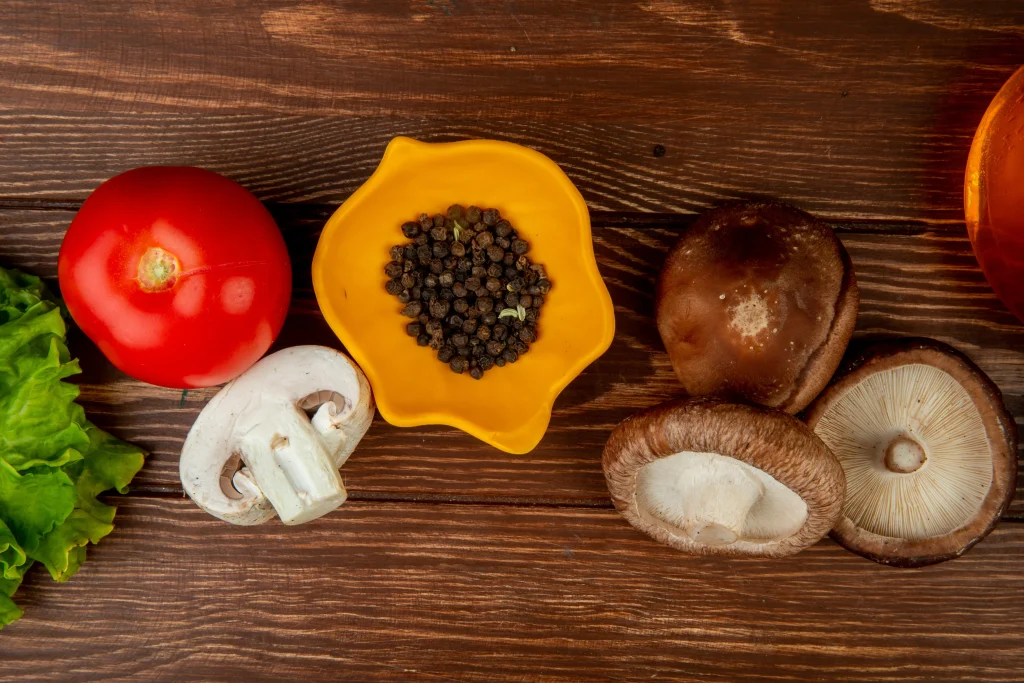
Mushrooms are one of the few plant-based foods that naturally contain vitamin D when exposed to ultraviolet (UV) light.
You may find labels such as:
- UV-exposed mushrooms
- Vitamin D enriched
- High in vitamin D
These mushrooms can be added to:
- Soups
- Pasta dishes
- Stir-fries
- Omelets
- Sandwiches
- Salads
For vegetarians and vegans, UV-exposed mushrooms can be a helpful addition to a vitamin D-focused diet.
Beef Liver
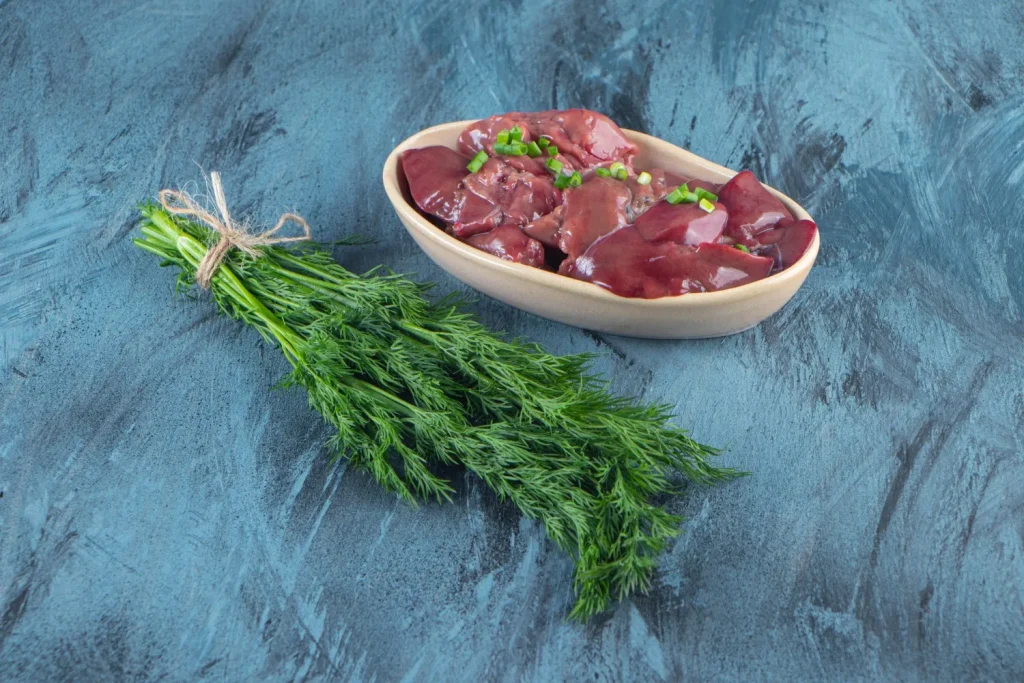
Beef liver contains vitamin D along with iron, vitamin A, and B vitamins. While it is nutritious, it should be eaten in moderation because it is also high in vitamin A.
Some common ways to prepare beef liver include:
- Cooking it with onions
- Mixing small amounts into ground beef
Because of its strong flavor, many people prefer eating it occasionally rather than regularly.
Cod Liver Oil

Cod liver oil is another rich source of vitamin D. It also contains omega-3 fatty acids and vitamin A.
People who do not eat fish regularly sometimes use cod liver oil to help increase vitamin D intake. However, it should be used carefully because too much vitamin D or vitamin A can cause health problems.
Always follow serving recommendations and speak with a healthcare professional before using it regularly.
Fortified Foods with Vitamin D
Since natural vitamin D foods are limited, many everyday foods are fortified with vitamin D to help people meet their daily needs.
Fortified Milk and Dairy Products

Fortified milk is one of the most common vitamin D foods. Many dairy products, including milk and yogurt, contain added vitamin D and calcium.
When choosing dairy products:
- Check the nutrition label
- Choose lower-sugar options when possible
- Confirm vitamin D has been added
These foods can support both bone health and calcium intake.
Fortified Cereals
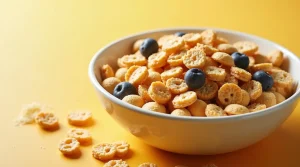
Breakfast cereals are often fortified with vitamin D and can be a convenient option for busy mornings.
For a healthier choice, look for cereals that contain:
- Whole grains
- Good fiber content
- Lower added sugar
- Added vitamin D
Using fortified milk or fortified plant-based milk with cereal can further increase vitamin D intake.
Fortified Orange Juice

Some orange juice brands add vitamin D and calcium. This can be helpful for people who avoid dairy products.
However, it is still important to watch portion sizes because some juices contain added sugars. Always check the label to confirm vitamin D fortification.
Fortified Plant-Based Milks
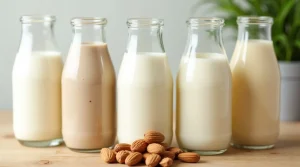
Plant-based milks can be useful alternatives for people who avoid dairy.
Common fortified options include:
- Soy milk
- Almond milk
- Oat milk
- Rice milk
Many fortified plant-based milks also contain calcium and vitamin B12.
Fortified Tofu

Some tofu products are fortified with vitamin D and calcium, making them helpful for vegetarian and vegan diets.
Fortified tofu works well in:
- Stir-fries
- Rice bowls
- Soups
- Wraps
- Curries
- Scrambles
Since not all tofu contains vitamin D, checking labels is important.
Best Vitamin D Foods for Vegans and Vegetarians
Getting enough vitamin D on vegetarian or vegan diets may require more planning, but it is possible.
Vitamin D Foods for Vegetarians
Vegetarians may include:
- Egg yolks
- Fortified dairy milk
- Fortified yogurt
- Fortified cereal
- UV-exposed mushrooms
- Fortified tofu
Vitamin D Foods for Vegans
Vegan-friendly vitamin D foods include:
UV-exposed mushrooms
Fortified soy milk
Fortified almond milk
Fortified oat milk
Fortified cereal
Fortified orange juice
Fortified tofu
Some vegan vitamin D supplements use vitamin D3 from lichen, while many vitamin D2 supplements are plant-based.
How Vitamin D Supports Skin Health Naturally
Vitamin D also supports skin health because it plays a role in immune function and inflammation control. The body naturally produces vitamin D when skin is exposed to sunlight. However, too much sun exposure may increase the risk of skin damage and burns. Finding a healthy balance is important.
Helpful habits include:
- Getting moderate sunlight exposure
- Avoiding sunburn
- Using sun protection during long exposure
- Eating vitamin D foods regularly
- Checking vitamin D levels if needed
People who get very little sunlight may need to rely more on fortified foods or supplements.
How Much Vitamin D Do You Need?
Vitamin D needs can vary based on age and lifestyle.
General recommendations include:
- Infants under 12 months: around 400 IU daily
- Children and adults up to age 70: around 600 IU daily
- Adults over 70: around 800 IU daily
- Pregnant and breastfeeding women: around 600 IU daily
Other factors that may affect vitamin D levels include:
- Sun exposure
- Skin tone
- Age
- Body weight
- Diet quality
- Digestive health
- Liver or kidney health
- Sunscreen use
- Clothing coverage
A blood test can help determine whether vitamin D levels are too low.
When Should You Consider Vitamin D Supplements?
Sometimes food and sunlight are not enough to maintain healthy vitamin D levels. This may happen in people who:
- Spend most of their time indoors
- Avoid sunlight
- Have darker skin
- Follow strict vegan diets
- Have absorption-related health conditions
- Are older adults
The two common forms of supplements are:
- Vitamin D2: Often plant-based and suitable for many vegans
- Vitamin D3: Commonly used, but not always vegan unless clearly labeled
Vitamin D is fat-soluble, meaning it is usually absorbed better when taken with foods that contain healthy fats such as: Eggs, Nuts, Avocados, Olive oil, Yogurt, and Seeds.
Taking excessive amounts of vitamin D supplements can be harmful. Possible problems include nausea, weakness, confusion, dehydration, kidney stones, and serious complications in extreme cases.
Before using high-dose supplements:
- Get a blood test if possible
- Follow professional medical advice
- Avoid taking multiple vitamin D products together
- Follow the recommended dosage on the label
Conclusion
Vitamin D is essential for strong bones, muscle function, immune support, and overall health. Since natural food sources are somewhat limited, combining natural and fortified vitamin D foods can help support healthy levels more effectively.
Some of the best vitamin D foods include Fatty fish, Egg yolks, UV-exposed mushrooms, Cod liver oil, Fortified milk, Fortified cereals, Plant-based fortified milks, and Fortified tofu and safe sunlight exposure, balanced meals, and regular health checkups can also play an important role in maintaining healthy vitamin D levels.
If you suspect a deficiency, consider speaking with a healthcare professional and getting a blood test for proper guidance. A simple blood test (25-hydroxy vitamin D test) and professional advice can help you choose the right food plan or supplement dose. For more simple nutrition and wellness guidance, MFZ Clinical lab can help readers make healthier choices in a practical, easy-to-follow way.
FAQS
1. Which food is highest in vitamin D?
Cod liver oil is one of the highest food sources of vitamin D. Among regular foods, fatty fish like salmon, trout, tuna, and mackerel are the best natural sources of vitamin D.
2. How can I increase my vitamin D naturally?
You can increase vitamin D naturally by getting safe sunlight exposure and eating vitamin D-rich foods like fatty fish, egg yolks, mushrooms, and fortified milk or cereals. For many people, food alone may not be enough, so a blood test can confirm if levels are low.
3. Which vegetables are high in vitamin D?
Most vegetables do not naturally contain vitamin D. The best plant-based option is UV-exposed mushrooms, which can provide some vitamin D.
4. What is the best vitamin D supplement to take?
The best vitamin D supplement for most people is usually vitamin D3, because it may raise vitamin D levels better and for longer than D2. Choose the dose based on your blood test or doctor’s advice, because too much vitamin D can be harmful.
5. How can I increase my vitamin D in 7 days?
You can improve vitamin D in 7 days by getting safe sunlight exposure and eating vitamin D-rich foods like salmon, tuna, egg yolks, mushrooms, and fortified milk. A major deficiency usually cannot be fully fixed in one week, so a blood test and doctor-guided supplement may be needed.
Medical Disclaimer
This article is for educational and informational purposes only and should not replace professional medical advice, diagnosis, or treatment. Always speak with a qualified healthcare provider before making major dietary changes or starting vitamin D supplements, especially if you have a medical condition, are pregnant, breastfeeding, or take prescription medications.

One thought on “Best Vitamin D Foods: Natural and Fortified Sources”
Pingback: 14 Signs of Vitamin D Deficiency You Shouldn't Ignore