
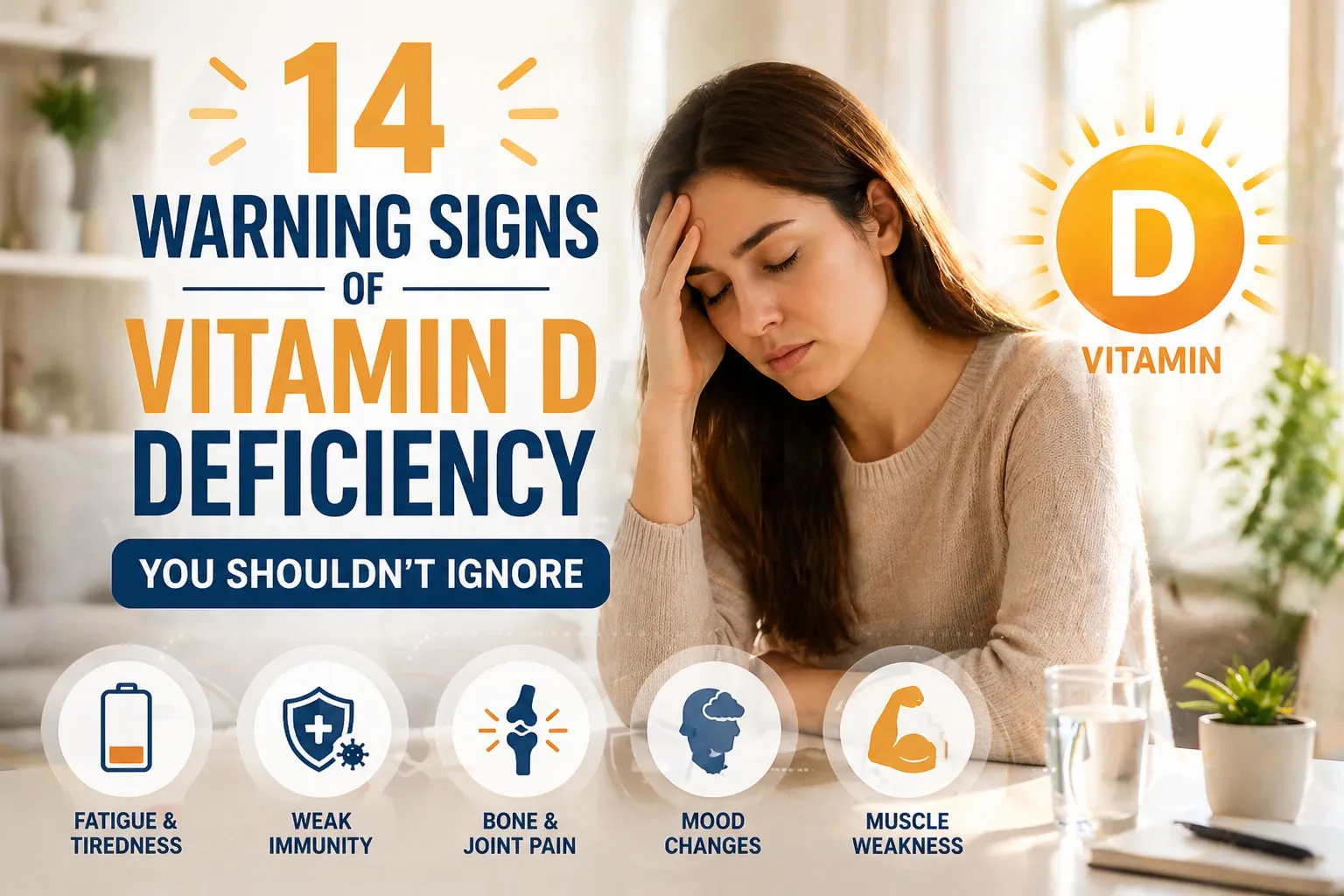
14 Warning Signs of Vitamin D Deficiency You Shouldn’t Ignore
Vitamin D is critical for the body as it plays many roles related to bone health, the immune system, and overall well-being, including mood and mental health. Sadly, many people remain unaware of their vitamin D levels, and many are found to be deficient. The following paragraphs highlight the common symptoms and signs of vitamin D deficiency, as well as ways to optimize your vitamin D levels for better health.
What is Vitamin D Deficiency?
Vitamin D deficiency occurs after prolonged exposure to environments with minimal sunlight, insufficient daily consumption of vitamin D, or when the body’s conversion of vitamin D (from dietary or sunlight sources) is suboptimal. It can also occur if calcium absorption is impaired. Signs of vitamin D deficiency can manifest in various ways and impact bone health and overall well-being.
Conditions like rickets, incomplete ossification, and mineralization of bones can lead to bone deformities in both children and adults. Additionally, vitamin D deficiency can increase the risk of heart disease, depression, and autoimmune conditions.
Why is Vitamin D Important?
Besides its structural role in maintaining bone health, vitamin D helps reduce inflammation and interacts with calcium and potassium, which are necessary for various body functions. Vitamin D also plays a critical role in mental health. Without adequate calcium and vitamin D, the risk of mental health issues, including depression, increases, which can also stress the body’s structural support system.
Some studies suggest that insufficient vitamin D can increase the risk of heart disease, high blood pressure, and affect the healthy function of blood vessels.
Can Low Vitamin D Cause Heart Disease?
Vitamin D plays a vital role in keeping your heart healthy. It helps keep your blood vessels functioning properly and supports the absorption of calcium, which is crucial for regulating blood calcium levels. When you don’t have enough vitamin D, it can lead to calcium buildup in the arteries, which causes them to narrow, along with increased blood pressure and inflammation. All of these factors can contribute to heart disease.
A deficiency in vitamin D is linked to a higher risk of heart disease, including conditions like heart attacks, hypertension, and strokes. To determine if low vitamin D levels are impacting your heart health, tests such as lipid profile and cardiac enzyme tests can provide valuable insights into your cardiovascular condition.
Common Symptoms of Vitamin D Deficiency
Fatigue: Feeling unusually tired or low on energy.
Muscle weakness: Difficulty in performing everyday activities.
Mood changes: Feeling low, irritable, or experiencing mild depression.
Frequent infections: More prone to colds, flu, or other illnesses.
Bone discomfort: Aching or tenderness in bones before structural issues appear.
Slow recovery: Feeling lethargic or taking longer to regain energy after exertion.
14 Warning Signs of Vitamin D Deficiency
1. Fatigue & Tiredness
Vitamin D deficiency can lead to persistent fatigue. Feeling unusually tired can be a sign of low vitamin D levels. Chronic fatigue can make it difficult to focus, work, or even perform simple tasks.
2. Frequent Illness or Infection
Vitamin D is essential for a healthy immune system. A deficiency can increase susceptibility to viral infections, chronic respiratory problems, and autoimmune diseases.
3. Bone and Back Pain
Vitamin D helps the body absorb calcium, which is needed to keep bones healthy. A deficiency can lead to pain in the bones, joints, or chronic back pain. If you have unexplained joint or bone pain, it could be due to vitamin D deficiency.
4. Depression or Mood Swings
Vitamin D deficiency has been linked to mood disorders like depression. Studies show that people with low vitamin D levels often experience increased feelings of depression, anxiety, and irritability. If you’re feeling down or upset more than usual, it could be due to low vitamin D levels.
5. Slow Wound Healing
Vitamin D is important for tissue repair. A deficiency can slow the healing process of cuts or bruises. If wounds take longer to heal than usual, it might be a sign of vitamin D deficiency.
6. Hair Loss
A lack of vitamin D can cause hair loss, and is associated with conditions like alopecia. Vitamin D is necessary for the proper functioning of hair follicles, and a deficiency can lead to hair thinning or hair loss.
7. Muscle Weakness
Vitamin D deficiency can cause muscle weakness and pain. This weakness can affect your ability to perform normal daily activities or exercise. If you experience muscle pain or weakness despite staying active, consider checking your vitamin D levels.
8. Bone Fractures
Low vitamin D levels can lead to brittle bones, increasing the likelihood of fractures. If you have frequent or unexplained bone fractures, especially in older adults, it could indicate vitamin D deficiency.
9. Weight Gain or Resistance to Weight Loss
Some studies suggest that vitamin D deficiency may contribute to obesity and difficulty losing weight by affecting fat metabolism. Vitamin D deficiency can disrupt appetite-related hormones, making it harder to lose weight.
10. Chronic Pain
There is a strong link between chronic pain, particularly joint and muscle pain, and vitamin D deficiency. Conditions like fibromyalgia may worsen with low vitamin D levels, increasing pain and tenderness in various areas of the body.
11. Sweaty Head
Excessive sweating on the head, particularly in infants, is a common sign of vitamin D deficiency. If you or your infant is sweating excessively, it’s a good idea to check vitamin D levels. While this symptom is most common in infants, adults can also be affected.
12. Teeth Problems
Vitamin D is essential for calcium absorption, and a deficiency can cause dental problems such as gum bleeding, tooth decay, and other oral health issues. If you’re experiencing dental problems, it could be a sign of low vitamin D levels.
13. Rickets
If a child experiences bone pain, delayed growth, or difficulty walking, it could be a sign of rickets, which is caused by a vitamin D deficiency. This condition weakens the bones, making them more prone to fractures and deformities.
14. Cognitive Impairment
Cognitive decline and difficulty focusing are also symptoms of vitamin D deficiency. Older adults are at the highest risk of cognitive impairment due to low vitamin D levels, which can lead to memory loss, reduced focus, and diminished cognitive activity.
Ways to Improve Your Vitamin D Levels
Here are a few ways to raise your vitamin D levels:
Sun Exposure
Vitamin D is produced by the body through sunlight exposure. Aim for 10–30 minutes of sunlight a few times a week. The amount you need depends on your skin type and where you live. The more skin exposed to the sun, the more vitamin D your body can produce.
Dietary Sources
Certain foods can help increase your vitamin D levels. These include:
- Fatty fish (like salmon, mackerel, and sardines) these fish are rich in vitamin D.
- Fortified foods, such as fortified milk, orange juice, and breakfast cereals.
- Whole eggs, particularly the yolk.
- Mushrooms, which naturally contain vitamin D.
Supplements
If sunlight and diet aren’t enough, vitamin D supplements can be an effective way to meet your needs. Always consult with a healthcare provider to ensure you’re taking the right dosage for your health.
Lifestyle Changes
Regular exercise improves the body’s ability to metabolize vitamin D. Also, managing stress is important because chronic stress can interfere with the body’s absorption of nutrients, including vitamin D.
Recommended Vitamin D Intake for Different Age Groups
Vitamin D intake recommendations can vary by individual needs, but here are general guidelines:
- Infants (0-1 year): Daily intake of 400-1000 IU
- Children & Adolescents (1-18 years): Daily intake of 600-1000 IU
- Adults (18+ years): Daily intake of 1500-2000 IU
Final Thoughts
If you have a vitamin D deficiency, you may experience tiredness, cognitive dysfunction, and other symptoms. Taking action when you notice these signs and symptoms of vitamin D deficiency can help restore your vitamin D levels through sun exposure, dietary changes, or supplements.
After consulting with a healthcare practitioner, you can determine if you have a vitamin D deficiency through a blood test. You can improve your health by addressing vitamin D deficiency. You can get your vitamin D levels tested at a reliable clinical lab, such as MFZ Clinical Lab.
Medical Disclaimer
This article is for general informational purposes only and should not be used as a substitute for professional medical advice, diagnosis, or treatment. Always consult your doctor or healthcare provider if you have any medical concerns or questions. Do not disregard professional medical advice based on something you read in this article.
FAQS:
1. How do you feel when your vitamin D is low?
When your vitamin D is low, you might experience fatigue, bone pain, or muscle weakness. It can also lead to mood changes or an increased risk of infections.
2. What two organs are critical for vitamin D activation?
The liver and kidneys are critical for vitamin D activation. The liver converts vitamin D into its storage form, while the kidneys convert it into its active form for use by the body.
3. What causes low vitamin D?
Low vitamin D can be caused by limited sun exposure, poor diet, or certain health conditions like obesity or kidney disease. It can also result from problems absorbing vitamin D in the digestive system.
4. What is the best time of day to take vitamin D?
The best time to take vitamin D is with a meal, preferably in the morning or midday, as it helps with absorption. Taking it with healthy fats can improve its effectiveness.
5. Can low vitamin D cause hair loss?
Yes, low vitamin D levels can contribute to hair loss by affecting the hair follicle cycle. It may lead to conditions like alopecia areata, where hair falls out in patches.
References
https://my.clevelandclinic.org/health/diseases/15050-vitamin-d-vitamin-d-deficiency
https://www.endocrinecenter.com/blog/10-unexpected-signs-of-a-vitamin-d-deficiency

One thought on “14 Warning Signs of Vitamin D Deficiency You Shouldn’t Ignore”
Pingback: Best Vitamin D Foods for Better Health and Wellness