
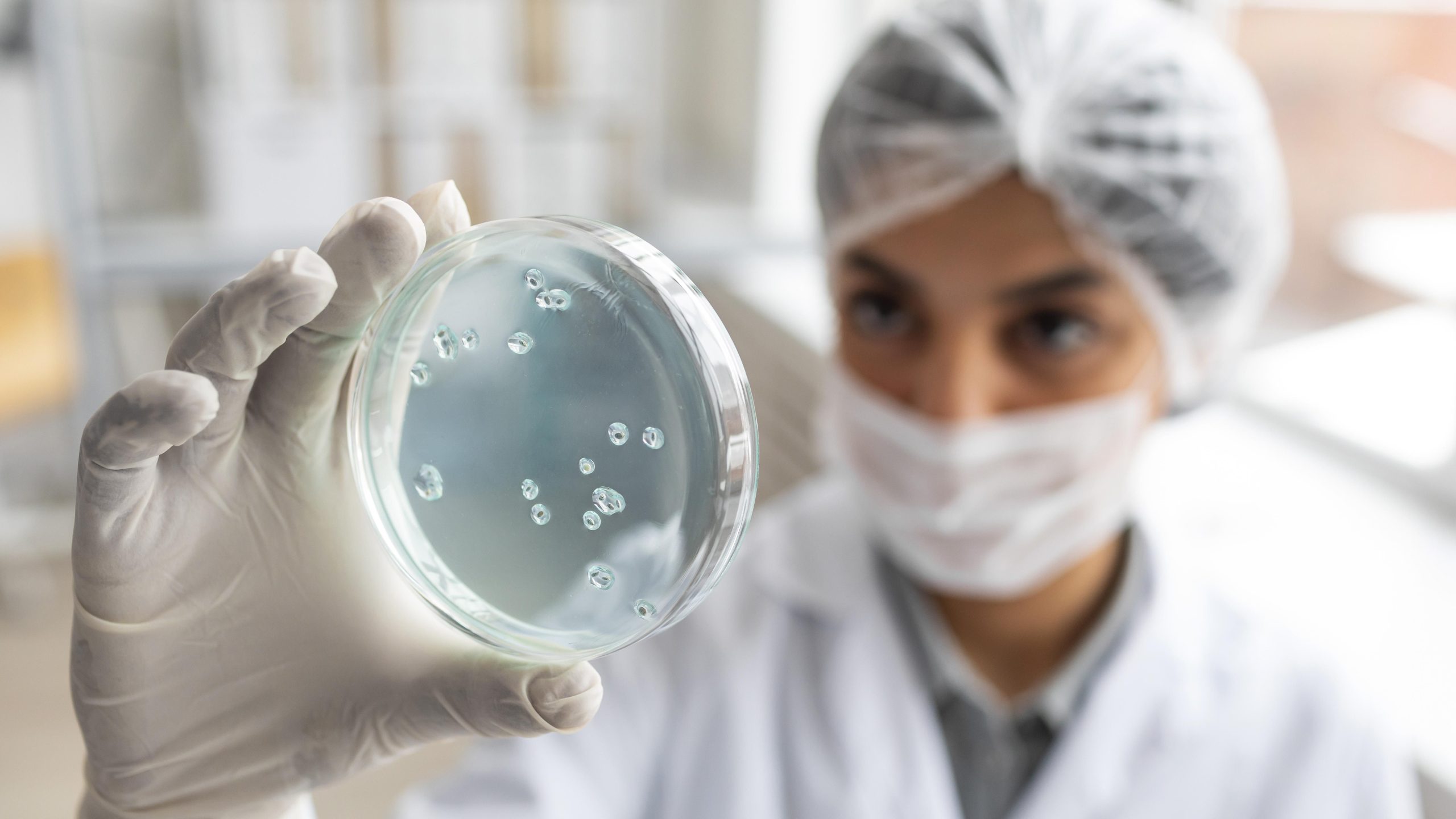
Microbiology
The Science of Detecting Infectious Diseases
Introduction
Microbiology is the study of microorganisms such as bacteria, viruses, fungi, and parasites that can cause diseases in humans. Understanding microbiology is crucial for identifying infections, guiding antibiotic therapy, and preventing disease outbreaks.
This educational guide explains how microbiological tests are performed and why they remain one of the most powerful tools in medical diagnostics and public health.
Critical Insight: Microbiological testing is the cornerstone of identifying infectious agents and combating antimicrobial resistance, one of the biggest threats to global health today.
What Does Microbiology Study?
Microbiology explores both pathogenic (disease-causing) and beneficial microbes. In medicine, it focuses on detecting microorganisms responsible for infections in different parts of the body — from the respiratory tract to the bloodstream.
🦠 Bacteria
Single-celled organisms that can cause infections like pneumonia, UTIs, and sepsis. Some bacteria are beneficial to human health.
🦠 Viruses
Microscopic infectious agents that require host cells to replicate, causing diseases like influenza, COVID-19, and hepatitis.
🍄 Fungi
Organisms that can cause skin infections, nail infections, and serious systemic diseases in immunocompromised individuals.
🪱 Parasites
Organisms that live in or on a host, causing diseases such as malaria, giardiasis, and intestinal worm infections.
Major Microbiology Tests and Their Significance
Microbiology laboratories perform a variety of diagnostic tests to identify infectious agents and determine the most effective treatment strategies. Here are the key tests used in clinical practice:
| Test Type | Purpose / Insights |
|---|---|
| Culture and Sensitivity (C/S) | Grows and identifies bacteria, determining the most effective antibiotics. |
| Blood Culture | Detects bloodstream infections and sepsis. |
| Urine Culture | Identifies urinary tract infections (UTIs). |
| Sputum Culture | Diagnoses respiratory infections including pneumonia or TB. |
| Stool Test / Ova & Parasite Exam | Detects intestinal infections and parasites. |
| Fungal Culture / KOH Mount | Confirms fungal infections in skin, nails, or tissues. |
| Gram Staining & Microscopy | Provides a rapid visual diagnosis of bacterial type and shape. |
Why These Tests Matter
- Enable targeted antibiotic therapy, reducing unnecessary medication use
- Help combat antimicrobial resistance through proper drug selection
- Provide rapid diagnosis for time-sensitive conditions like sepsis
- Identify outbreaks and prevent disease transmission in communities
- Guide public health interventions and infection control measures
The Critical Role of Microbiology in Healthcare
Microbiology helps detect infectious agents early, prevents disease spread, and guides doctors in prescribing the correct antibiotics to combat antimicrobial resistance. In an era where antibiotic-resistant bacteria pose a growing threat, accurate microbiological testing has never been more important for effective treatment and global health security.
Frequently Asked Questions
Educational Information Only
This content from mfzclinicallab.com is for educational and informational purposes only. It is not intended as medical advice, diagnosis, or treatment. Always consult with qualified healthcare professionals for medical concerns, proper testing recommendations, and interpretation of laboratory results.
